What are healing peptides?
Peptides are short chains of amino acids. In recovery and regenerative medicine conversations, “healing peptides” usually refers to compounds being studied for possible roles in soft tissue repair, connective tissue support, wound healing, collagen remodeling, or inflammation modulation. A 2024 narrative review on soft tissue regeneration described peptide therapy as an emerging area with promising findings across cartilage, extracellular matrix, muscle, tendon, ligament, and bone-related healing contexts, but also emphasized that many of these therapies are still in their infancy and need more research before widespread use. That distinction matters. Many people online talk about healing peptides as if they are fully proven solutions for every injury. That is not how the evidence reads. The current literature is best viewed as a mix of promising preclinical data, limited clinical experience for some compounds, and important regulatory questions for others. Read more: Best Peptides for Tendon and Ligament Healing: What the Research SaysHow healing peptides may support tissue repair
The reason healing peptides get so much attention is that tissue repair is not one single process. Recovery depends on multiple biologic steps, including cell signaling, blood vessel formation, fibroblast activity, collagen deposition, matrix remodeling, and control of excessive inflammation. Reviews of peptide-based soft tissue regeneration describe potential effects across several of these pathways, which helps explain why different peptides get discussed for different goals. For example, some peptides are studied for possible angiogenic effects, meaning they may help support blood vessel formation in damaged tissue. Others are discussed more for anti-inflammatory or cytoprotective properties. Still others are explored for skin remodeling, extracellular matrix support, or connective tissue regeneration. That is why a person dealing with a tendon issue may be researching one kind of peptide, while someone focused on cosmetic recovery or skin quality may be looking at another.The most talked-about healing peptides
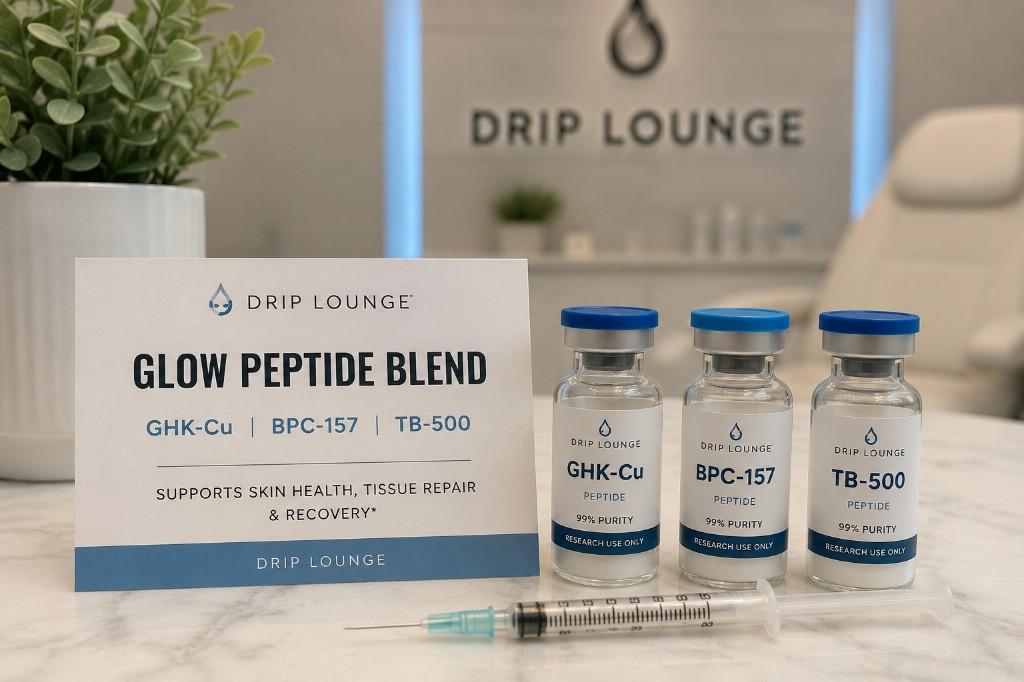
BPC-157
BPC-157 is probably the most searched peptide in the tissue-repair category. Recent review literature describes it as having angiogenic, anti-inflammatory, cytoprotective, and tissue-regenerative properties in preclinical studies, with especially strong interest around tendon, muscle, and ligament healing in animal models. That is why BPC-157 gets so much attention in sports recovery and orthopedic discussions. At the same time, BPC-157 should be discussed carefully. The enthusiasm around it is driven largely by preclinical rather than robust human clinical outcome data. It is also important to note that FDA has separately identified significant safety concerns around certain compounded peptide substances and has emphasized that for many of these products there is limited human safety information.TB-500 and thymosin beta-4–related peptides
TB-500 is another widely discussed recovery peptide, usually in the context of soft tissue healing, mobility, and injury recovery. In the orthopedic and regenerative literature, thymosin beta-4–related therapies are often grouped into the larger category of emerging peptide approaches for soft tissue repair. Reviews describe these therapies as promising but still early, particularly when it comes to consistent human clinical validation. From a safety and compliance perspective, this category also needs caution. FDA has specifically noted that compounded drugs containing thymosin beta-4 fragment may pose risk for immunogenicity and peptide-related impurities, and that the agency has not identified human exposure data for certain products in this category.GHK-Cu
GHK-Cu is one of the more interesting peptides because its strongest evidence base is not really sports recovery it is skin remodeling, wound healing, and regeneration. A review on GHK noted that GHK-Cu has shown skin remodeling, wound healing, regeneration, antioxidant, and anti-inflammatory effects in in vitro and in vivo studies, with some clinical skin research also showing positive effects on skin regeneration. That makes GHK-Cu especially relevant in conversations around cosmetic recovery, skin rejuvenation, and post-procedure support. That does not mean GHK-Cu is a proven answer for every tissue-repair goal. Its profile is simply different. If BPC-157 is commonly discussed for tendon and ligament support, GHK-Cu is more often discussed in skin, connective tissue, and cosmetic healing contexts. At Drip Lounge, that distinction matters, because the right peptide conversation depends on whether someone is trying to support musculoskeletal recovery, beauty and skin wellness, or a more general recovery goal. Read more: Peptides for Gut Health: What Research Says About BPC-157 and Digestive HealingWhat healing peptides are best known for?
Broadly, healing peptides are most often discussed in relation to:- tendon and ligament support
- muscle recovery
- skin and cosmetic repair
- wound healing
- connective tissue and collagen support
- recovery after strain, overuse, or procedures